
Native American and Indigenous Studies
- Minor
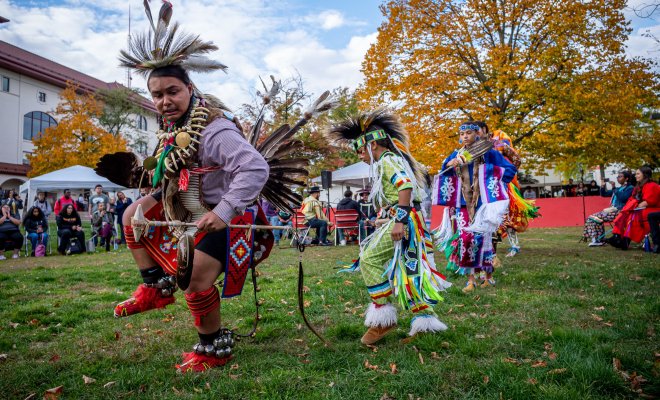
The Native American and Indigenous Studies minor is an 18-credit program — open to students of any major — focused on in-depth understanding of Indigenous culture, history, and contemporary realities. Through interdisciplinary coursework grounded in Indigenous scholarship and community engagement, you will:
- Understand the histories and cultures of Indigenous peoples as defined and expressed by Indigenous communities today
- Examine legacies of racial injustice, settler colonialism, decolonization and eco-justice
Community-Engaged, Hands-On Learning
- Rigorous curriculum — draws from anthropology, history, religion, English and art history
- Partnerships with New Jersey’s state-recognized tribes: Ramapough Lenape, Nanticoke Lenni-Lenape and Powhatan Renape
- Contribute to collaborative projects on food sovereignty, language revitalization, environmental justice, and Indigenous cultural heritage in New Jersey — including fieldwork at the Munsee Three Sisters Medicinal Farm and at archaeological projects in the state
- Organize and index tribal records, scientific data and health impact evidence on toxic dumping — creating a digital repository for research and ongoing environmental justice
Impact and Opportunity
- Work side by side with the New Jersey Center for Indigenous Justice to:
- Contribute to environmental justice, language revitalization, and heritage documentation — essential for cultural resilience
- Participate in ongoing research gathering news articles, oral histories and scientific evidence — supporting digital archiving and tribal advocacy
- Benefit from mentorship by faculty engaged in Indigenous rights and community work
- Build skills in analysis, advocacy and research — preparing for impact in community organizations, environmental work, education, cultural resource management and beyond
New Jersey Center for Indigenous Justice
Montclair launched the New Jersey Center for Indigenous Justice (NJCIJ) — the state’s first university-based center devoted to advancing Indigenous rights, decolonization, racial justice and eco-justice — with a $1 million grant from the Mellon Foundation. The NJCIJ prioritizes the urgent needs of New Jersey’s recognized tribes, including the Ramapough Lunaape, Nanticoke Lenni-Lenape and Powhatan Renape nations, focusing on environmental justice, cultural heritage and language revitalization. The center coordinates events, builds digital archives, expands student programming and works to transform public narratives while supporting tribal and Indigenous student advocacy across the region.
What Can I Do With a Minor in Native American and Indigenous Studies?
- Native American Law
- Environmental Justice
- Native Art & Museums
- Cultural Resource Management
- Archaeology
- Education
- Social Services
- Native Language Revitalization
Reviving Culture, Restoring Justice
As recognized in Montclair’s Land Acknowledgement Statement, the University is committed to advancing Native American culture and history. This includes supporting Indigenous food sovereignty and language revitalization efforts with the Turtle Clan of the Ramapough Lunaape (Lenape) Nation, whose community’s cultural practices have suffered a generational decline due to environmental and health challenges.
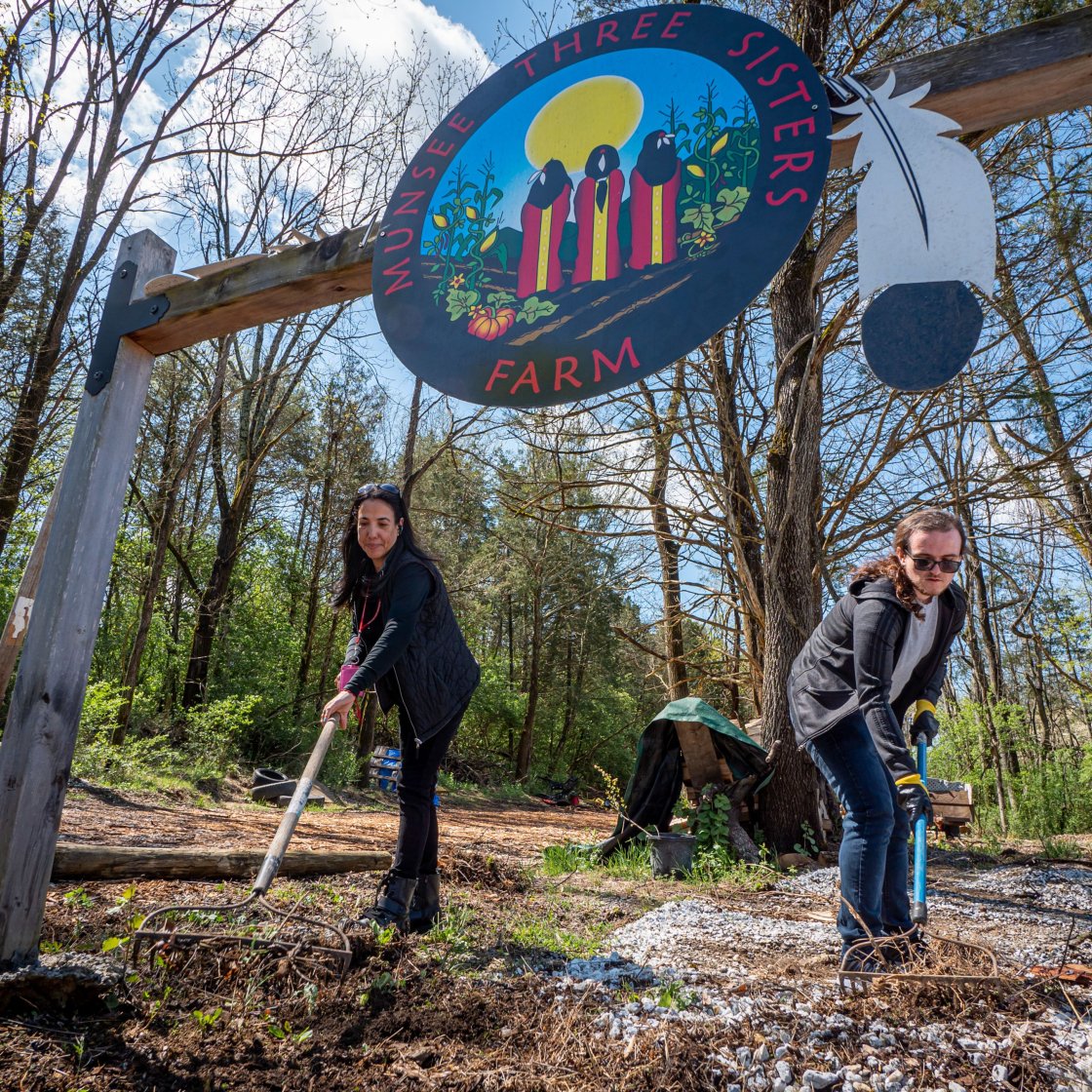
An intensive, field-based partnership with the Turtle Clan Ramapough includes work at the Munsee Three Sisters Farm, where Montclair students and professors are helping the tribe’s Indigenous food sovereignty and language revitalization efforts.
Students Revive Language and Culture
Montclair students help advance Indigenous food sovereignty at Munsee Three Sisters Farm — planting crops and creating garden signs in the Munsee language to support community-led efforts to revitalize cultural knowledge and language use.
Featured Faculty
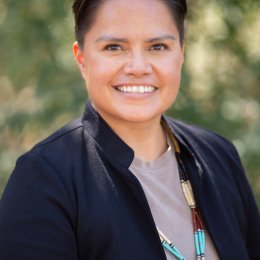
Precious Benally
- Director, New Jersey Center for Indigenous Justice
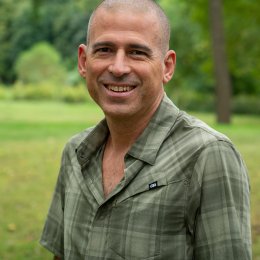
Mark Clatterbuck
- Professor
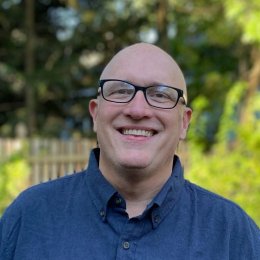
Christopher Matthews
- Chairperson
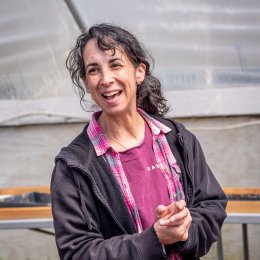
Maisa Taha
- Associate Professor
Making an Impact in Indigenous Studies
Khara Brown ’25 exemplifies the integration of scholarship and activism. She supported tribe-led projects in food sovereignty and environmental justice at the Munsee Farm. Despite extraordinary health challenges, she persevered and graduated, making her achievement a true testament to resilience and determination.
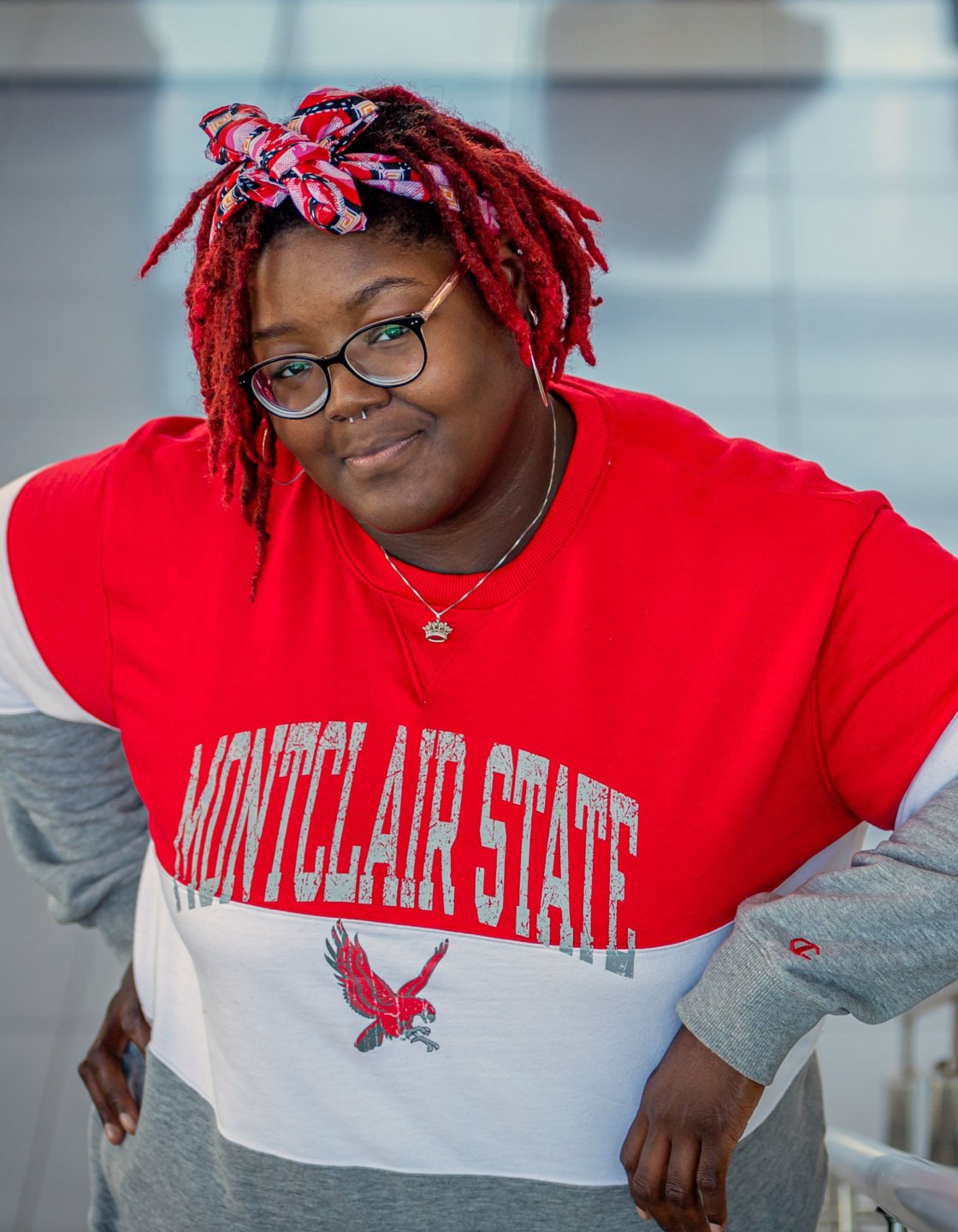
Maybe I didn’t do as well as I wanted – I’m a perfectionist and hard on myself – but I’ve met people, changed lives, touched people with my story. And that’s all a person can ask for – to be a catalyst for change.
Khara Brown, '25
Program: Anthropology major with minors in Archaeology and Native American and Indigenous Studies

Questions? We’re Here to Help.
Undergraduate Admissions Office
Whether you’re looking to begin an application, have questions about transferring to Montclair or trying to check your application status, the Office of Undergraduate Admissions is pleased to help you in any way we can.
- msuadm@montclair.edu
- 973-655-4444
- Susan A. Cole Hall, Suite 100
Examining the languages, cultures, religions and identities that connect people and communities across the world.