
Robert Meredith
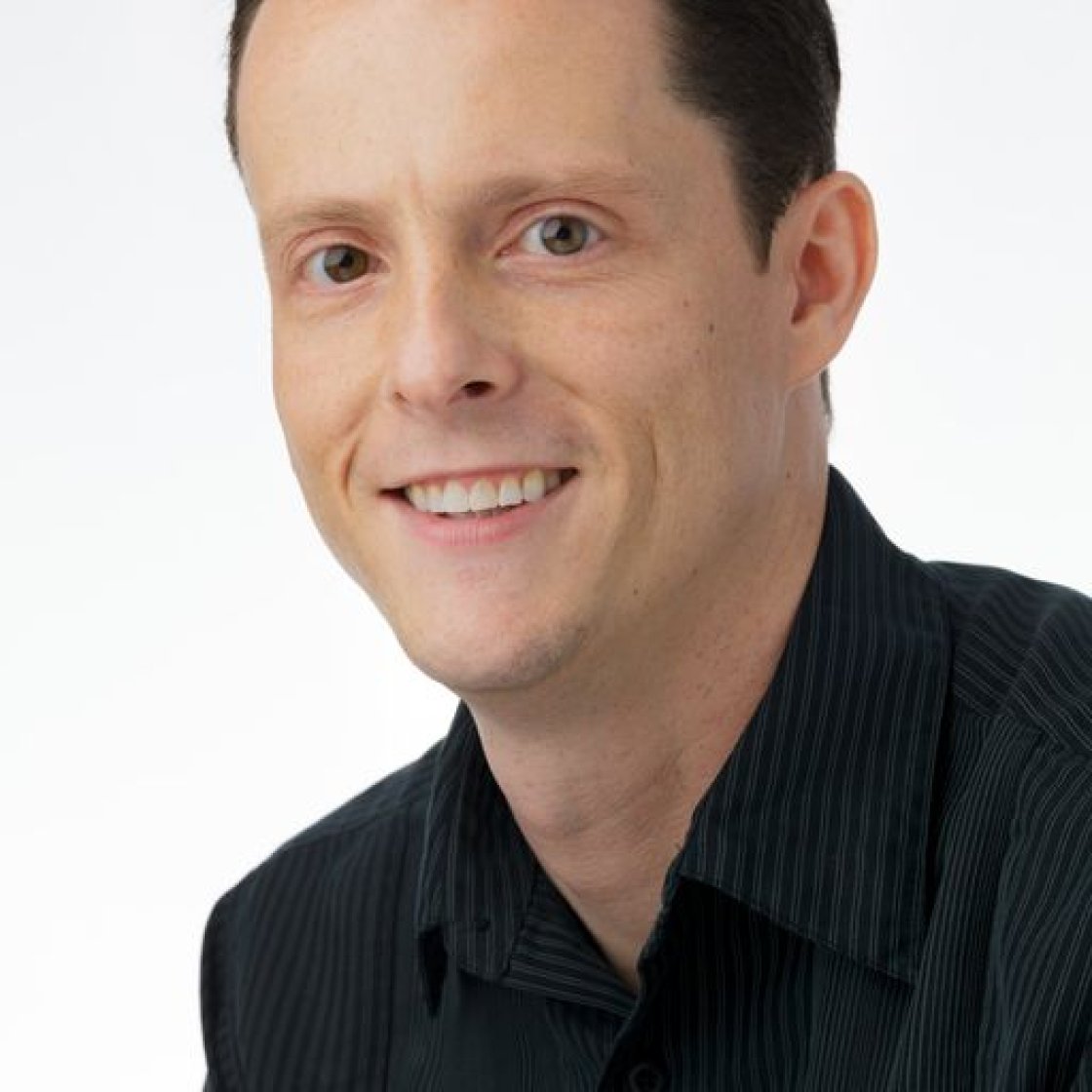

- Professor Biology College of Science and Mathematics
- meredithr@montclair.edu
- Phone
- (973) 655-7800
- Office Hours (Fall)
-
Monday: 1:00 pm - 2:00 pm
Monday: 1:00 pm - 2:00 pm
Wednesday: 9:30 am - 11:30 am
- Office Hours (Spring)
-
Monday: 1:00 pm - 2:00 pm
Wednesday: 9:30 am - 11:30 am
Biography
In the broadest sense, my fundamental research interest is vertebrate evolution at the morphological and molecular levels for both extant and extinct organisms. My undergraduate, graduate, and postdoctoral training in evolutionary biology has been multidimensional: systematics, biogeography, paleontology, and molecular evolution. My knowledge base is advantageous for an evolutionary biologist because it allows me to formulate unique, testable hypotheses. In order to reconstruct evolutionary history and tackle difficult questions, I synthesize and apply information derived from these diverse fields. Ultimately, this results in a holistic and richer evolutionary reconstruction.
Education
- B.S., Villanova University
- M.S., South Dakota School of Mines and Technology
- Ph.D., University of California, Riverside
Resume/CV
Research
Vertebrate evolution, phylogenetics, bristletail evolution, molecular and morphological systematics including the incorporation of extinct organisms, paleontology/paleobiology, biogeography, molecular dating, molecular evolution with particular interest in teeth, olfactory, and eye genes, pseudogene evolution, morphological evolution
Phylogenetic methods that synthesize paleontological and neontological data
Much of my research focuses on inferring evolutionary relationship among various groups of organisms. I am particularly interested in phylogenetic methods that synthesize paleontological and neontological data. Recently, new phylogenetic inference methods have been developed that allow for the simultaneous estimation of divergence times and phylogenetic relationships of both fossil and extant taxa. These approaches have the potential to make full use of the biological data (e.g. stratigraphy, sampling, biogeography).
Molecular and morphological evolution of teeth
Lower vertebrate teeth exhibit extensive morphological and developmental variation but virtually nothing is known about the molecular basis for this variation. I am particularly interested in studying the molecular evolution of tooth genes that show tissue specific expression (e.g. ENAM, MMP20). I use Next Generation Sequencing (NGS) technology to sequence transcriptomes of various lower vertebrate groups. I then use statistical techniques to compare and contrast gene evolution. I am also interested in the molecular decay of tooth-specific genes in edentulous species to both document macroevolutionary transitions and characterize their functional range in tooth development. I use both PCR, genome sequencing, and bioinformatics to ascertain the DNA sequences of the degraded tooth-specific genes. Statistical techniques are then used to analyze the sequence data to infer their molecular evolutionary history.
Related Links
Montclair does not endorse the views or opinions expressed in a faculty member's webpage or website. Consistent with the principles of academic freedom, the content provided is that of the author and does not express the opinions or views of Montclair State University.