Graphic Design

  • BFA
  • Major
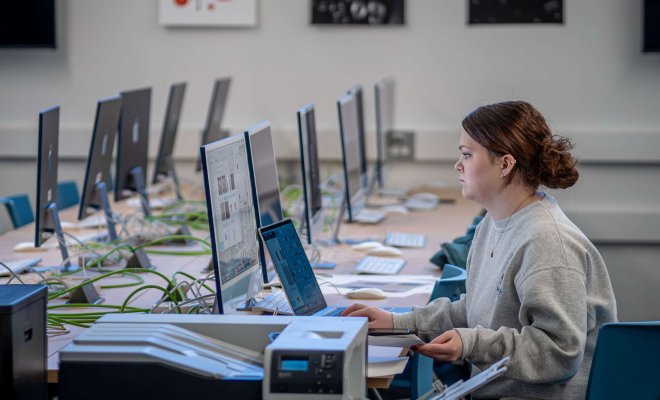
Student in the design computer lab.

Design the world you see or want to see! From smartphone apps to subway posters, visual communication designers shape how we experience the world. At Montclair State University, the Bachelor of Fine Arts (BFA) in Visual Communication Design is a four-year, pre-professional program that prepares you to become a creative problem-solver and persuasive design thinker. Through a combination of studio work and liberal arts coursework, you'll gain the technical, conceptual and collaborative skills to succeed in careers such as graphic design, UX/UI design, motion graphics, creative coding and more. You’ll learn how to use typography, imagery, layout and media to communicate powerful messages—and build a portfolio that showcases your creative range. Graduates have gone on to careers with top organizations like Instagram, L’Oréal, MSNBC and the Museum of Modern Art (MoMA), among many others. 

See the curriculum.

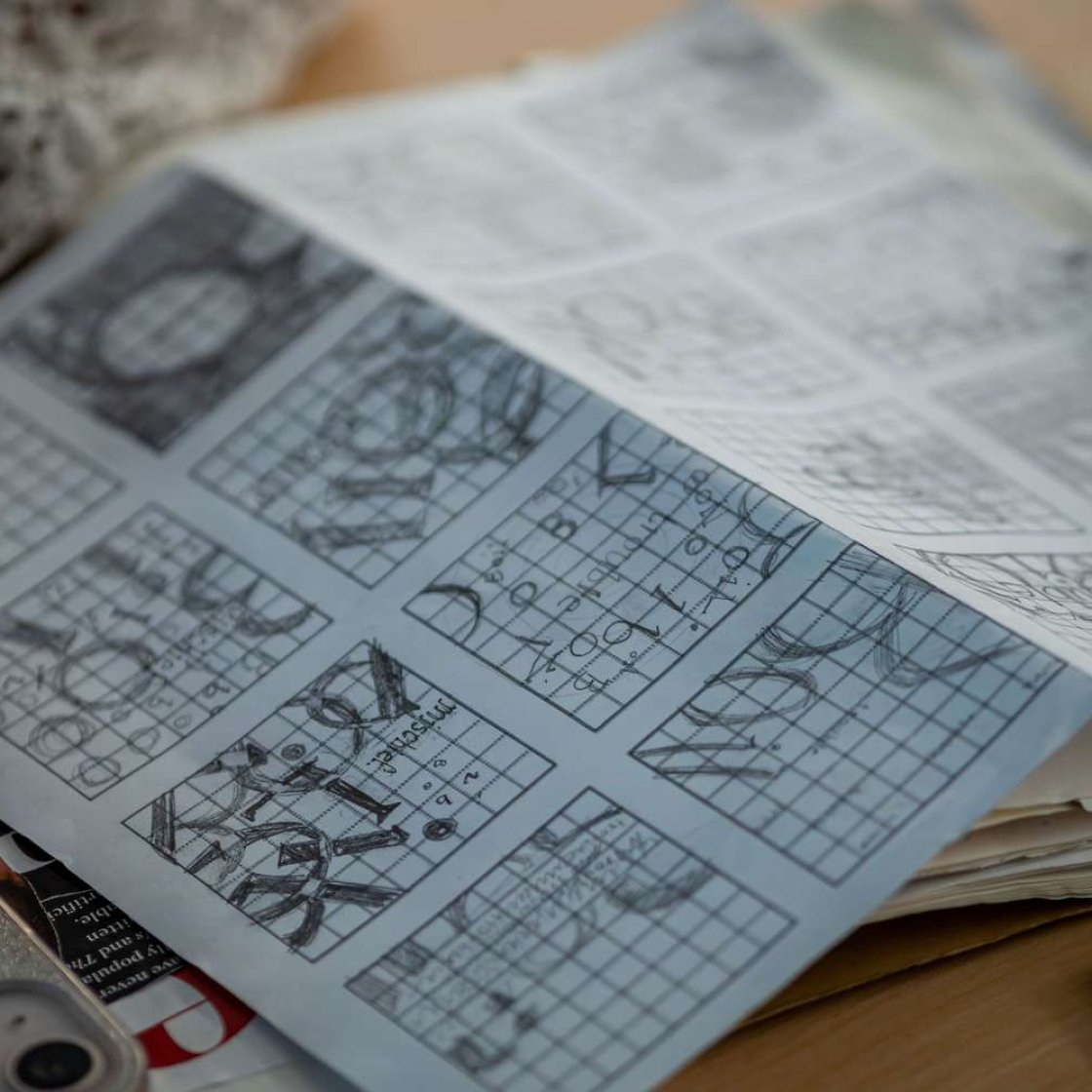
Typography sketches on graph paper.

Program Highlights

  • Hands-on training in typography, branding, web, motion and print design
  • Courses in color theory, composition, art history and creative coding
  • Emphasis on concept development, teamwork and professional presentations
  • Small class sizes for personalized mentorship and feedback
  • Real-world portfolio development with a wide range of media
  • Faculty with deep industry experience and creative expertise
  • Graduates work in top creative roles across media and design industries
  • Accredited: Montclair State University’s art and design programs are among the region’s most competitive, and meet the rigorous standards of the National Association of Schools of Art & Design (NASAD)

Career Options

Montclair’s Visual Communication Design graduates have found work in a variety of professional settings, including design studios, advertising agencies, public relations firms and publishing companies. Some also work as freelancers or start their own businesses. Possible careers include:

Advertising Design
Book Cover Design
Corporate Creative Services
Design Education
Environmental Design
Exhibition Design for trade shows and museums

Film, Video and Video Game Graphic Design
Interactive Design for websites, video games and computer displays
Logo, Identity and Brand Design
Magazine and Page Layout Design
Information Design

Package Design
Retail Design
Television Graphics
Type Design
Product Graphics
Web Design

Turn your passion for design into a powerful career!

Featured Faculty

1/

Portfolio Requirements

There is no single template or one right way to make a portfolio. We want to see how you think, what you care about, and how you make visual work.

Your portfolio should show creativity, curiosity, and potential. It does not need be perfect or look professional already, and it does not need to follow one style or theme. We are interested in students who are visually engaged, open to experimentation, and serious about developing their ideas. Show us the work that feels most original and creative, and that best demonstrates your skills.

Standards and Guidelines

We review portfolios for creativity, originality, composition, use of color, idea development, and attention to detail. Strong portfolios show skill, a range of visual exploration, and clear potential to succeed in visual communication design.

Include 15 pieces of your strongest work. Quality matters more than quantity. Choose work that shows variety, experimentation, and your personal interests.

Your portfolio may include any mix of the following:

  • drawing
  • painting
  • photography
  • collage
  • digital design
  • typography
  • illustration
  • motion
  • 3D work

You do not need to include every category. Submit the work that best represents you.

We strongly encourage you to include some examples of your process. This can be sketchbook pages, drafts, and revisions. Process helps us understand how you think and develop ideas. Please note that sketches and process work may be included in addition to the 15 finished pieces.

Observational drawing can be helpful in showing your skills, but it should not be the only type of work in your portfolio. A strong portfolio should also show your creativity, conceptual thinking, and potential as a designer.

Because this is a visual communication design program, it is helpful if at least some of your portfolio shows interest in graphic design, image-making, and typography.

  • copied work based too closely on another artist’s or designer’s style
  • superhero work, or anime-style work that mainly imitates an existing visual style rather than showing your own voice
  • work pulled directly from Canva assets or templates without meaningful original development
  • AI-generated artwork submitted without any explanation of your process and decisions
  • portfolios made up entirely of portraits or entirely of observational work, without showing broader creative exploration
  • poorly photographed or low-resolution artwork

Your portfolio should reflect your own creative work. If you used AI tools in any project, be clear about how they were used. We are most interested in your ideas, judgment, design decisions, and process. Work that relies heavily on AI without clear evidence of your own authorship will not be helpful in the review.

Please submit your portfolio in digital format as a PDF, JPG, or PNG. You may also submit a portfolio website or slideshow if needed. Please avoid Google Drive files.

For each project, include:

  • title
  • medium or format
  • a brief description

For example, you might note:

  • whether it was a school assignment or personal project
  • the tools used
  • your role, if it was collaborative
  • a short explanation of the concept or process

Keep the presentation simple and clear.

Questions? We're Here to Help.

Undergraduate Admissions Office

Whether you’re looking to begin an application, have questions about transferring to Montclair or trying to check your application status, the Office of Undergraduate Admissions is pleased to help you in any way we can.

Department of Art and Design

For more than five decades, the Department of Art and Design has educated artists and designers who interpret, impact and often shape the world as we experience it.